Marijuana
Marijuana Prevention and Education
Marijuana can be an addictive substance, particularly for youth. Marijuana use during childhood or adolescence is dangerous because the human brain does not fully develop until around age 26.
Although marijuana use by adults (21+) has been made legal in Washington State that does not mean it is without health risks. The safety of marijuana has not been established. Just like tobacco and alcohol, it has been associated with health and social problems.
Marijuana is made from dried flowers and leaves of the cannabis plant. Marijuana comes in multiple different forms and THC Levels vary depending on the product and method use.
How marijuana affects health is determined by how it's consumed. Marijuana is most commonly smoked, from pipes, bongs, joints, blunts, and other paraphernalia including devices that heat or vaporize marijuana. It can also be consumed through foods and beverages, such as brownies or tea.
The Grant County Health District in partnership with Washington State Department of Health is dedicated to preventing underage use of marijuana. Learn More.
Marijuana Laws
If you choose to use marijuana, it's important to know the laws, potential risks, and how you can help prevent underage marijuana use.
Retailer Marijuana
It is illegal for anyone to:
Possess and/or use marijuana under the age of 21 unless the person is medically authorized
- Drive while under the influence of marijuana
- Use marijuana in public places
- Grow marijuana plants unless the person is medically authorized or licensed by the state as a marijuana producer.
- It is illegal for adults to provide marijuana to minors.
- It is also illegal for parents to provide marijuana to their children.
Washington Initiative 502 (PDF) passed in November of 2012 and went into effect July 1, 2015.
Medical Marijuana
The Cannabis Patient Protection Act (PDF) was signed into law on April 24, 2015. SB 5052 creates strict regulations for marijuana producers, processors, and stores that want to sell to patients. Under the act, the Department of Health is directed to adopt rules for:
- Product compliance;
- A Medical Marijuana Authorization Database; and
- Training and certification of Medical Marijuana Consultants
The Department of Health is dedicated to protecting access for patients with qualifying conditions and ensuring that their products are safe, quality tested, and accurately labeled. Medical Cannabis Washington Department of State website
Risks Associated with Marijuana
Risk of Addiction
- The younger youth are when they try marijuana, the more likely it is that they will become addicted. Marijuana is estimated to produce addiction in approximately one in 11 of those who use it at least once. This rate increases to about one in six, or 17%, for users who start in their teens, and 25% to 50% among daily users
Risk of Withdrawal
- When people who are addicted to marijuana try to stop using, they may experience withdrawal symptoms such as irritability, sleeping difficulties, anxiety, and cravings.
Short-Term Effects of Cannabis
Drowsiness
- Loss of inhibitions
- Increased appetite
- Loss of co-ordination
- Bloodshot eyes
- Dryness of the eyes, mouth, and throat
- Anxiety and paranoia
- Feeling of well-being
- Talkativeness
- Decreased nausea
Long-Term Effects of Cannabis
- Impact brain development. This may include reduced cognitive abilities (learning and understanding) and memory.
- Breathing problems. Marijuana smoke irritates the lungs and can cause problems such as daily cough and phlegm, frequent lung illness and higher risk of lung infections.
- Increased heart rate. Marijuana raises heart rate for up to 3 hours after smoking, increasing the chance of heart attack.
- Problems with infant and child development during and after pregnancy. Marijuana use during pregnancy is linked to increased risk of brain and behavioral problems in babies and children.
Form of Cannabis
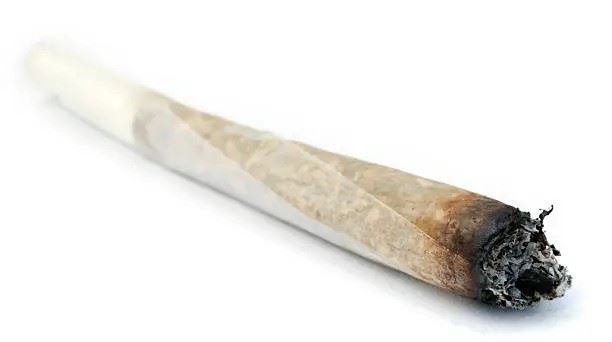 Smoking
Marijuana is combustive and the smoke is inhaled which allows the body to absorb THC. The most common methods of smoking marijuana are joints, pipes, and bongs.
Edibles
Marijuana can be ingested through food, or "edibles" which often include things like brownies and other baked goods. Marijuana can also be ingested in liquid form by brewing it as a tea.
Concentrates
Marijuana concentrates are condensed masses of THC. Concentrates can range from 40% - 90% THC, making them up to four times stronger than regular high-quality marijuana. Concentrates often go by the following terms: wax, hash, hash oil, honey oil, budder, butane hash/honey oil (BHO), shatter, dabs, black glass, and errl.
Topicals
Lotions, salves, and balms can be infused or other chemicals extracted from marijuana and can be used for pain and inflammation. They do not make a user feel high.
Vaporization
A new form of inhaling marijuana includes vaping, which may involve the use of electronic vaping devices.
For Educators and Prevention Services:
- Youth Media Campaign and Information from Washington State Department of Health
- Online E-Learning Modules from Learn About Marijuana, UW Alcohol and Drug Abuse Institute
- Lessons for the classroom setting from NIH- Minds Matter
- What to look for: Vaping and Marijuana Product Handout (PDF)
- What to look for: Vaping and Marijuana Product Handout (Spanish) (PDF)
For Teens:
- A marijuana prevention campaign for youth with information about health effects, consequences, and frequently asked questions about marijuana. Washington Department of Health
For Parents:
- Know the Facts / What Parents Should Know - Washington State Liquor and Cannabis Board
A Parent's Guide to Preventing Underage Marijuana Use
- Washington Health Care Authority- How to talk to your teens about substance use.
- UW Alcohol and Drug Abuse Institute
- The National Institute on Drug Abuse website has the following available:
Information for Pregnant and Breastfeeding Moms
Marijuana use during pregnancy or breastfeeding is risky. Research is still underway to learn more about impacts of marijuana use on pregnant women but some risks that have been found so far include:
- THC, the psychoactive component of marijuana, crosses the placental barrier. It is also found in the breast milk of nursing mothers. Babies exposed to THC through breastmilk have been showed to experience increased tremors, poor sucking, slow weight gain, and poor feeding in the first month of life
- Research indicates that children both to women who used marijuana while they were pregnant have poorer verbal, memory and reasoning ability, poorer motor skills and shorter length of play, and are more likely to be fearful, impulsive, inattentive, hyperactive, and delinquent.
- Some research has indicated that women who use marijuana during pregnancy are more likely to experience placental complications and give birth to babies with a lower birth weight
- Heavy marijuana use may make it difficult to become pregnant because of reduced fertility in both men and women
For more information about marijuana and marijuana use and pregnancy, talk to your health care provider or visit Weed to Know - Baby and You.
For Retailers:
Additional resources
- Learn About Marijuana, UW Alcohol and Drug Abuse Institute